
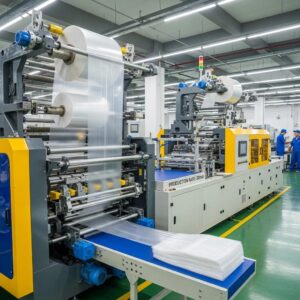
Plastic Bag Making Machines for Sale in Pretoria
Plastic Bag Making M
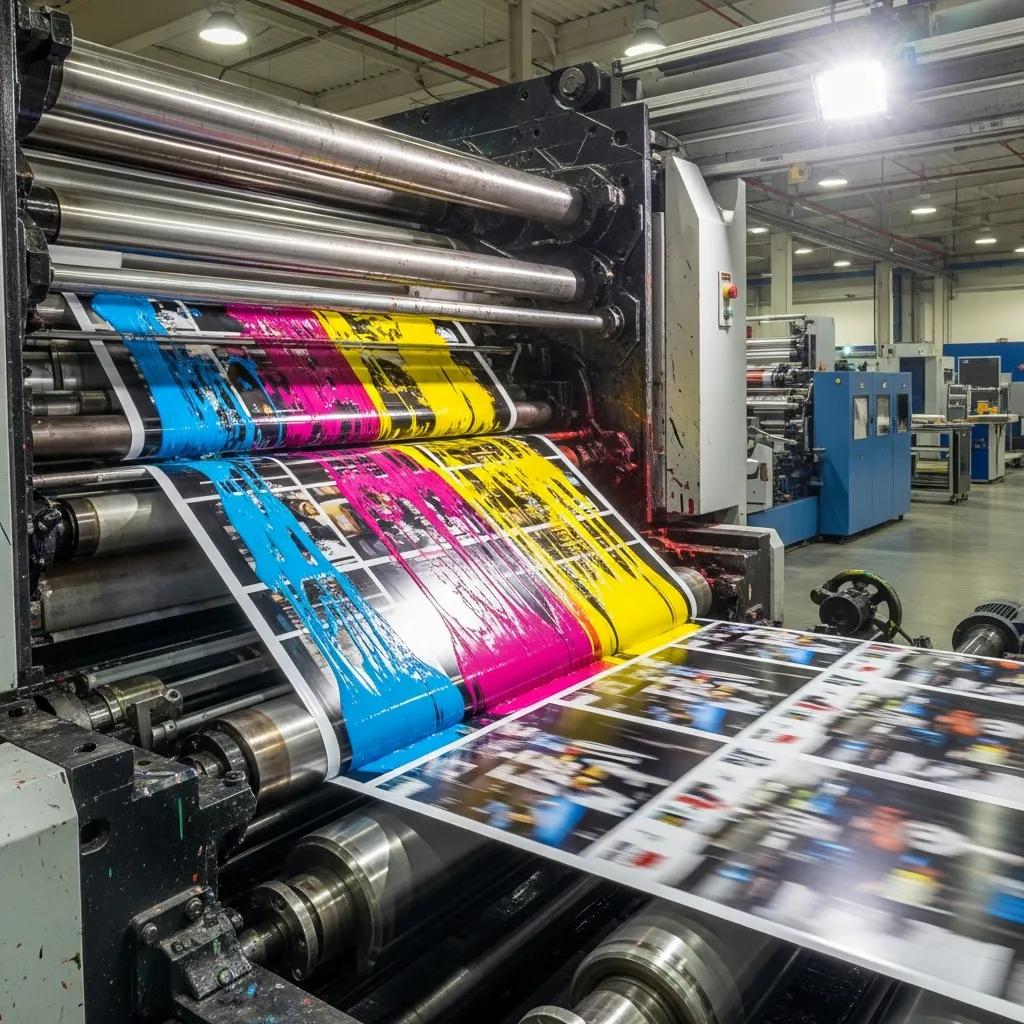
High-precision gravure printing is a deep-engraved rotary printing method that delivers consistent, high-resolution imagery and accurate color reproduction for long production runs, making it a preferred solution for packaging converters and brand owners. This article explains how rotogravure achieves fine detail through engraved cylinders and controlled cell depths, why it outperforms other industrial printing presses for high-volume flexible packaging, and which production features matter when evaluating a gravure printing machine. Readers will learn how gravure technology works for flexible films, which substrates and inks are compatible, which mechanical and control features enable high-speed multi-color operation, and how technical specifications translate to throughput and print quality. The guide also covers maintenance and after-sales support practices that preserve uptime, then connects South African market needs to supply and service options from local distributors. By the end you will have a clear specification checklist, comparison tables, and actionable next steps for sourcing high-precision gravure presses suitable for South African manufacturers.
High-precision gravure printing machines are industrial rotogravure presses that reproduce photographic images and consistent solids by transferring ink from engraved cells on a rotary cylinder to the substrate, delivering repeatable density and fine detail across long runs. The mechanism relies on cell geometry and engraving depth to meter ink volume precisely, while doctor blades wipe excess ink and drying systems set the image, producing sharp graphics and dependable color fidelity. High-precision presses are particularly valuable for flexible packaging, labels, and metalized laminates where brand appearance, barrier integrity, and long-run consistency are critical. Understanding these functional elements helps packaging engineers select presses that balance resolution, speed, and substrate compatibility. The next sections explain the step-by-step gravure process and which materials pair best with rotogravure presses for packaging applications.
Lionizing the core gravure process clarifies why cylinder engraving and ink metering determine both visual quality and production economics.
Gravure printing begins with image engraving onto a copper or chrome-plated cylinder where microscopic cells are etched to hold specific ink volumes that correspond to tonal values, enabling high-precision reproduction of fine gradients and photographic imagery. Ink is applied to the cylinder surface and a doctor blade scrapes the excess, leaving ink only in the cells; when the substrate contacts the rotating cylinder, capillary and contact forces transfer ink from cell to film. Drying tunnels—often using hot air, IR, or combination curing—set the ink between color stations to maintain registration and prevent smearing, while automatic registration systems correct color-to-color alignment in real time. This tightly controlled sequence—engraving, metering, transfer, drying—enables rotogravure to produce consistent results over thousands of meters, which is essential for flexible packaging runs that demand uniform visuals and low waste. Understanding these stages leads naturally to substrate compatibility considerations for different packaging formats.
Further innovations in engraving technology are also contributing to more sustainable and cost-effective gravure printing practices.
Gravure Engraving Advancements for Sustainable Flexible Packaging
The polyethylene terephthalate film was printed by laser engraved cylinder having reduced engraving cell depth compared to electronically engraved printing cylinders which result in less consumption of printing ink, hence reducing the raw materials consumption.
Environment-friendly and cost-effective solution for flexible packaging printing process by advancement in engraving process, B Sharma, 2023
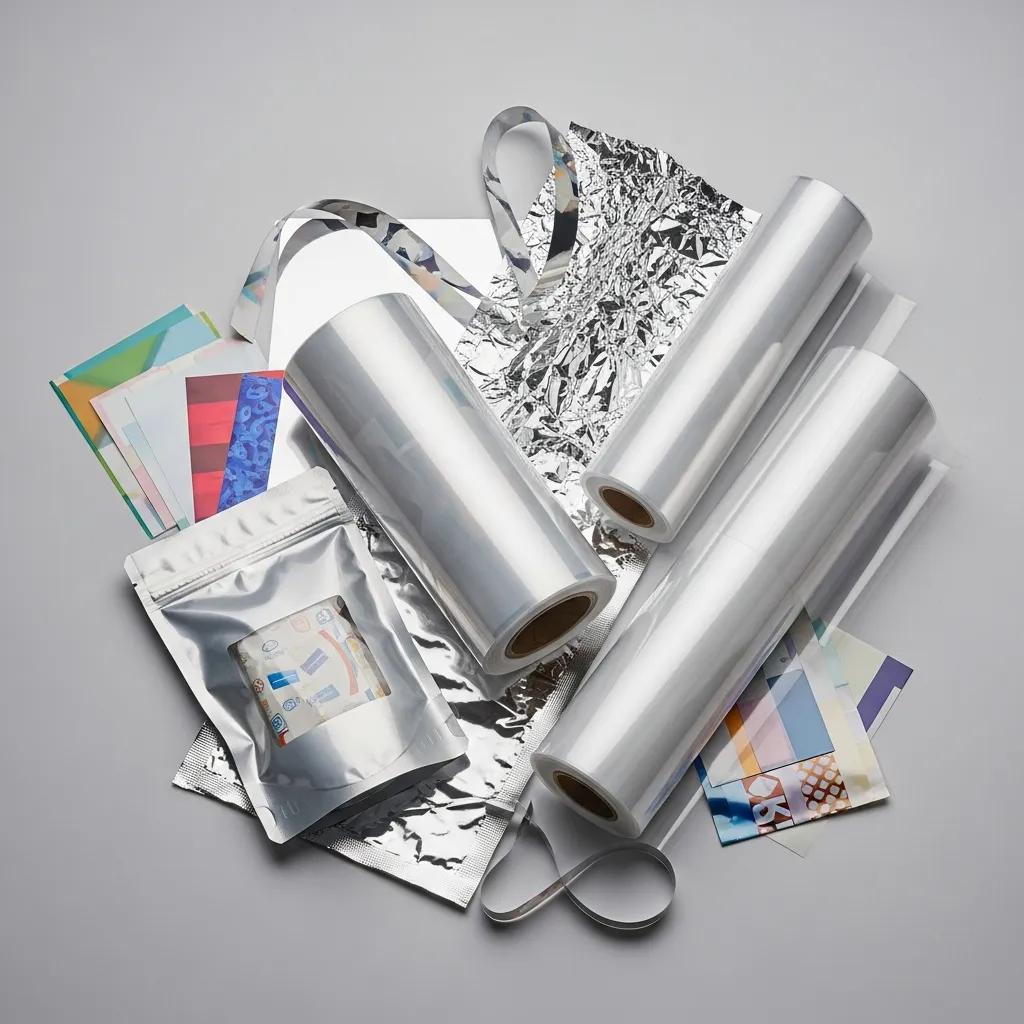
Gravure presses excel on a broad range of flexible packaging substrates including BOPP, PET film, CPP/PE laminates, metalized foil, and paper-based laminates, with the process adaptable to both polymeric and metalized surfaces. Material-specific factors—surface energy, porosity, and barrier coatings—determine ink selection and pretreatment needs: higher-energy surfaces usually require less corona or plasma treatment than low-energy films. Solvent-based and UV-curable inks are commonly used for metalized and low-porosity substrates because of fast setting and adhesion, while water-based systems are selected where environmental or regulatory constraints demand lower VOCs; ink choice must match drying capacity and substrate heat tolerance. Surface treatment, ink formulation, and drying method together ensure adhesion and print durability for food, pharmaceutical, and consumer goods packaging applications. These material matches inform feature choices for high-speed, multi-color presses described next.
High-speed, multi-color gravure presses combine mechanical rigidity, precise cylinder handling, effective drying, and closed-loop controls to maintain color registration and web stability at production-line speeds; these features together enable sustained throughput without compromising print fidelity. Automatic registration systems continuously measure color alignment and actuate micro-adjustments to correct shifts, while advanced tension control prevents web stretch and ghosting that degrade print quality. Robust drying tunnels sized to ink types and speeds cure images quickly and allow for more color stations in-line, which supports multi-color capability and special effects. Assessing these features helps buyers prioritize investments that reduce waste, decrease downtime, and ensure consistent brand reproduction across long production runs.
Key hardware and control features to evaluate include:
These features translate directly into measurable production benefits and the table below maps feature-to-benefit relationships for quick comparison.
| Feature | Benefit | Impact on Production/Quality |
|---|---|---|
| Automatic registration | Maintains color alignment | Reduces waste, ensures brand color fidelity |
| Tension control systems | Stabilizes web under high speed | Prevents stretching and print artifacts |
| Zoned drying tunnels | Matches cure to ink/substrate | Enables higher speeds with consistent drying |
| Precision cylinder handling | Accurate repeat length and quick change | Shorter make-ready and consistent repeats |
This mapping highlights why combining these features is essential for multi-color gravure presses; next we examine mechanisms of registration and tension control in more depth.
Automatic registration systems use optical sensors, encoder feedback, and servo motors to detect and correct lateral and longitudinal deviations between color stations, targeting sub-millimeter alignment that preserves crisp edges and consistent halftones. Tension control employs dancer arms, load cells, and closed-loop controllers to keep web tension within a narrow band so the substrate feeds evenly through nip points and across cylinders; this prevents elongation, misregistration, and moiré patterns. Together, precise registration and stable tension reduce start-up waste, minimize press stops for adjustments, and improve first-pass quality yield, which lowers per-unit printing cost. Understanding these control strategies is essential before evaluating drying and color station layouts described in the next subsection.
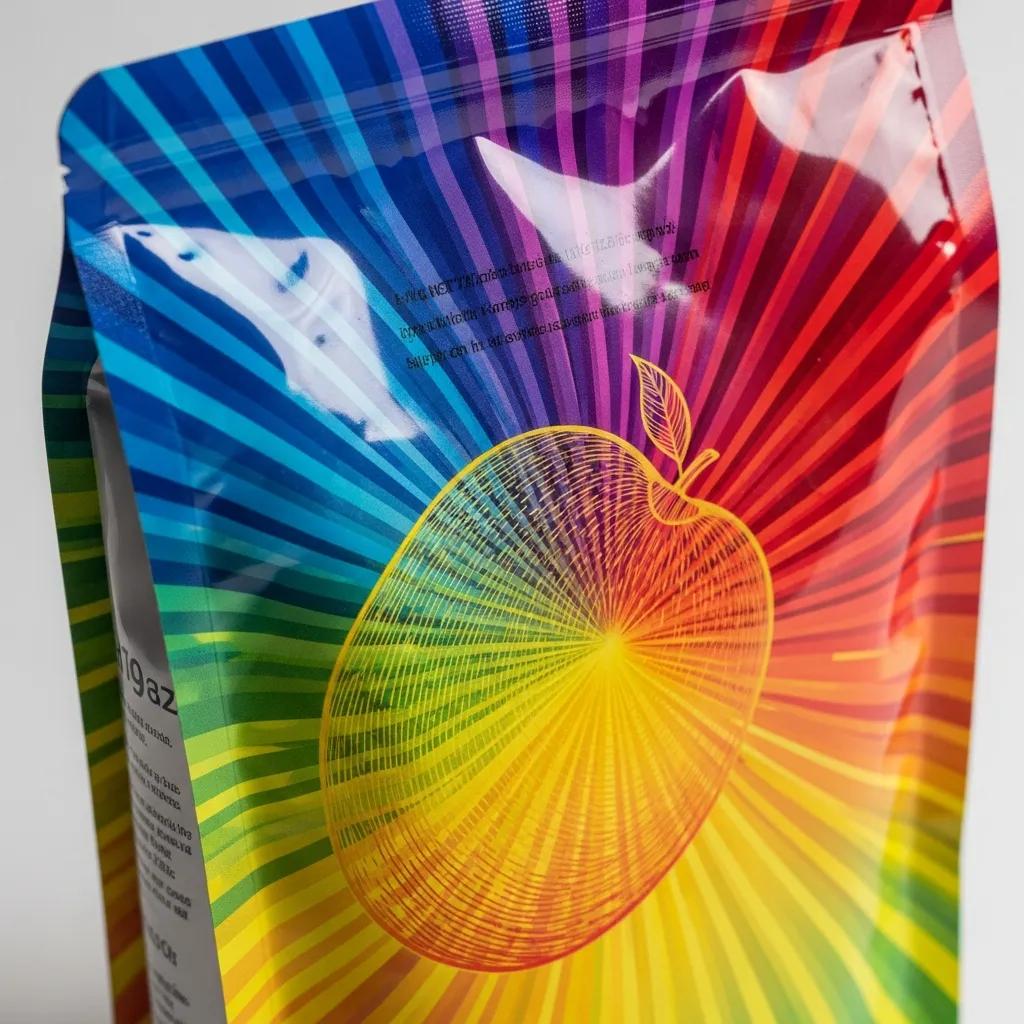
Multi-color gravure printing enables photorealistic reproduction, tight color matching, and special-effect inks—metallics, pearlescents, and varnishes—that elevate shelf appeal and brand differentiation on flexible packaging. Using six, eight, or more in-line color stations allows complex artwork to be reproduced in a single pass with consistent density and smooth gradients, which is particularly valuable for premium goods and high-resolution photographic labeling. The consistent ink metering of gravure reduces color drift over long runs, supporting color management workflows and reducing rework compared with some other high-speed printing technologies. Enhanced visual fidelity directly influences perceived product quality and can support marketing claims, which makes multi-color capability a strategic advantage for brand-sensitive packaging lines.
Gravure printing serves South African flexible packaging by meeting high-volume demands from food, beverage, pharmaceutical, and personal care sectors that require barrier properties, print quality, and consistent color across long production runs. Local converters benefit from gravure when production scales justify cylinder costs and when brand owners prioritize photographic detail, metallic effects, or durable barrier laminates that withstand filling and sealing processes. South African market drivers—such as growing packaged goods demand and export-quality expectations—make reliable supply chains and local service support an important part of machine selection. The following table maps key industries to their packaging requirements and how gravure advantages align with those needs.
| Industry / Application | Key Requirements | Suitable Materials / Gravure Advantages |
|---|---|---|
| Food (snacks, staples) | Barrier films, durability | BOPP/PET laminates; consistent high-speed runs |
| Pharmaceuticals | Tight registration, compliant inks | High precision for regulatory labels and tamper-evident films |
| Cosmetics & Personal Care | Visual appeal, metallics | Photographic detail, metallic inks, varnish effects |
This industry mapping shows gravure’s fit across South African packaging segments; the next subsection lists specific formats and examples where gravure yields measurable benefits.
Gravure supports a variety of packaging formats used across South African industries including flexible pouches for snacks and dry goods, wrap-around labels for bottled products, metalized lamination for confectionery, and high-resolution web-fed film for pharmaceutical blister backing and sachets. Food and beverage converters benefit from high throughput and barrier-compatible inks, while pharmaceutical packaging requires the tight registration and compliance-ready ink options gravure can provide. Cosmetics and premium consumer goods leverage gravure’s ability to reproduce photographic artwork and metallic effects that enhance shelf impact. Recognizing which formats your line produces helps determine cylinder repeat lengths and color station counts in the next technical specification section.
Gravure printing improves product protection by enabling compatible inks and coatings that adhere to barrier films and by producing uniform film coverage that supports laminating and sealing processes, which preserves shelf life and product safety. Brand visibility is enhanced through the process’s superior continuous-tone capability, allowing crisp photographs, fine text, and special-effect inks that increase perceived value and differentiation on crowded retail shelving. The same precision that yields visual benefits also supports security features and variable data options where needed for anti-counterfeiting or traceability. With a clear link between print quality and market performance, the next section outlines the technical specifications buyers use to quantify press capabilities.
Technical specifications for gravure presses—web width, maximum printing speed, number of colors, repeat length, and compatible ink/drying systems—define capacity, product mix flexibility, and integration with existing converting lines. Buyers evaluate web width to match upstream extrusion or laminate lines, choose speed to meet throughput targets, and select color station counts based on artwork complexity. Print repeat and engraving resolution affect cylinder cost and lead time, while drying systems must be sized to ink chemistry and line speed. The EAV table below provides a concise comparison of representative model configurations to aid in initial selection and procurement dialogue.
| Model Class | Max Speed / Web Width | Number of Colors / Ink Type | Drying System |
|---|---|---|---|
| Standard 6-color | 150 m/min / 600 mm | 6 colors / solvent or water-based | Zoned hot-air + IR |
| High-speed 8-color | 250 m/min / 1000 mm | 8 colors / solvent or UV | Extended convection + IR |
| Shaftless 10-color | 200 m/min / 1400 mm | 10+ colors / UV or solvent | Modular multi-zone curing |
This compact comparison helps converters align press classes with production goals; next, specific numeric ranges and trade-offs are explained to support decision-making.
Common gravure web widths range from narrow 350–650 mm for label and narrow-web applications, through mid-web 600–1,100 mm for pouches and snack films, to wide-web 1,200–1,600 mm for bulk packaging lines, and each width correlates to specific converting equipment and yield calculations. Printing speeds vary by model and substrate: standard production lines often operate between 100–200 m/min, while high-speed presses exceed 200 m/min under optimized drying and tension control. Color options typically start at 4–6 colors for basic packaging, extend to 8–10 for photographic fidelity and spot effects, and can incorporate additional stations for varnish, metallic, or cold-foil in-line processes. Choosing the right balance of width, speed, and color count requires matching artwork complexity to throughput goals and available floor space.
Gravure presses use solvent-based inks for strong adhesion on metalized or low-energy films, water-based inks where VOC reduction is a priority, and UV-curable inks for immediate curing and high gloss on compatible substrates; each ink type dictates required drying or curing infrastructure. Drying systems include zoned hot-air tunnels, infrared (IR) heaters, and UV lamps; modular tunnel design allows tuning of dwell time and temperature to avoid substrate distortion while achieving full ink set. Environmental regulations and substrate heat sensitivity influence the ink choice: water-based systems reduce VOC emissions but may need longer drying zones, while UV offers faster cure but demands UV-stable substrates and safety controls. Understanding these trade-offs informs procurement and facility planning for energy and exhaust management.
Maintenance and after-sales support for gravure equipment typically include on-site installation and commissioning, operator and maintenance training, spare-parts kits, preventive maintenance schedules, and remote troubleshooting capabilities to minimize production interruptions. Structured service offerings help converters ramp up production quickly while preserving cylinder life and maintaining print quality through scheduled checks on doctor blades, bearings, and tension systems. Warranty terms and parts availability affect total cost of ownership and uptime; reliable after-sales channels coordinate spare parts, retrofits, and consumables to keep lines productive. The following list outlines common service components buyers should expect and discuss during procurement to ensure long-term performance.
These services reduce start-up risk and shorten the learning curve, which leads into more detail on specific service packages and parts strategies below.
Installation packages generally begin with factory-supported commissioning where technicians calibrate registration, set tension profiles, and validate drying performance against production targets, followed by structured operator training covering daily maintenance and changeover procedures. Training programs commonly span multiple days and include practical sessions on doctor blade maintenance, cylinder handling, and emergency stops to ensure safe, efficient operation. Spare-parts strategies range from on-site starter kits for high-wear items to managed stocking agreements that synchronize parts supply with predicted consumption; transparent lead times and parts lists are essential for production planning. Clear service agreements and training reduce mean time to repair and maintain consistent print quality, and the next subsection explains how 24/7 online support complements on-site services.
Twenty-four-hour online support enables remote diagnostics through structured troubleshooting flows, immediate guidance on corrective actions, and coordination for parts shipments or on-site technician visits, which together accelerate fault resolution and limit unplanned downtime. Remote support can include step-by-step instructions, parameter checks for registration and tension control, and verification of sensor outputs to isolate issues before dispatching field engineers. This layered response—remote troubleshooting followed by prioritized parts fulfilment and on-site escalation when needed—minimizes lost production and helps maintain service-level expectations. Robust online support, combined with local spare-parts strategies, forms a practical uptime assurance plan that buyers should confirm with suppliers before purchase.
Plastic Bag Machine South Africa operates as a distributor and representative for Kingdom Machinery Co., Ltd., offering gravure printing machines and supporting services tailored for local manufacturers. As a sales and service partner, the company emphasizes comprehensive product ranges including gravure presses, conducts 100 percent final inspection during production, and provides a two-year warranty on timer switches as part of its equipment assurances. Their stated strengths include a strong R&D and experienced engineering team, one-stop customized solutions from innovation to mass production, competitive pricing attributed to large-scale production and trained workers, and fast delivery lead times for standard (25–30 days) and customized (30–60 days) machines. These supplier attributes reduce procurement friction and support fast ramp-up for South African packaging lines.
These supplier credentials help bridge technical needs to practical procurement outcomes; the next subsection summarizes how manufacturers have generally benefited from such gravure equipment relationships.
The asserted unique value propositions include rigorous final inspection before shipment, targeted warranty protections, and access to an R&D-driven engineering team capable of customizing solutions for specific production requirements. Competitive pricing is presented as a function of large-scale manufacturing and skilled labor, while delivery timelines for standard and custom machines aim to match converters’ project schedules and capacity planning. One-stop services—spanning design, manufacture, testing, and after-sales—simplify vendor management and can accelerate time-to-production for new packaging lines. These supplier-level commitments aim to reduce procurement risk and provide a clearer path from specification to first production run.
Aggregate benefits reported for converters working with the distributor-manufacturer relationship include improved throughput owing to reliable high-speed presses, consistent print quality that supports premium brand positioning, and reduced startup friction thanks to inspection and commissioning support. Claims of a substantial installed base globally suggest mature production processes and parts availability, which can translate into shorter lead times and predictable service cycles for local buyers. While specific client case studies should be requested for granular ROI analysis, these aggregated outcomes point to enhanced operational reliability and print consistency—key drivers of packaging competitiveness that converters in South Africa can leverage when evaluating supplier proposals.
For procurement-minded readers ready to move from specification to purchase, consider requesting a formal quotation, arranging an on-site demonstration, or discussing site-visit commissioning and spare-parts packages to align machine capabilities with production targets.
Plastic Bag Making M
Plastic Recycling So
Plastic Recycling So
Plastic Recycling So