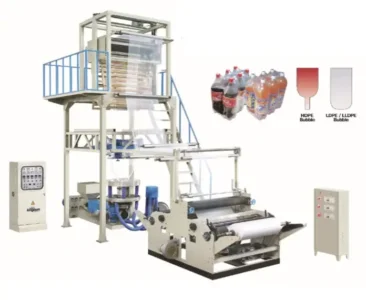
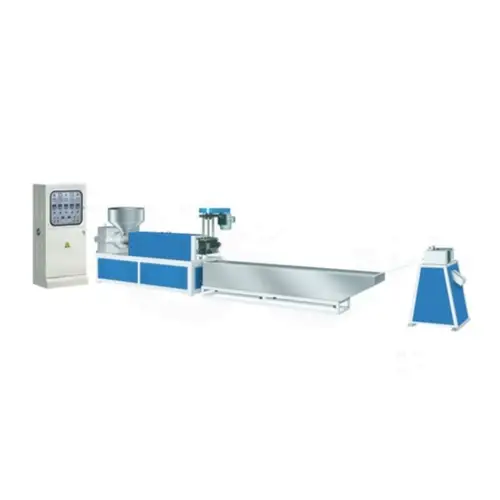
Comprehensive Guide to Plastic Recycling Machines
This guide serves as a complete resource for understanding plastic recycling machines, including their functionalities, types, and applications. It aims to educate potential buyers on the importance of investing in quality machinery for effective plastic recycling processes.
Plastic recycling machines play a crucial role in reducing plastic waste and promoting sustainability. By understanding the various types of machines available, such as shredders, granulators, and extruders, users can make informed decisions that align with their recycling goals and production needs.
Choosing the Right Plastic Recycling Machine
Selecting the appropriate plastic recycling machine is essential for maximizing efficiency and output. Factors to consider include the type of plastic being processed, the desired end product, and the machine's capacity.
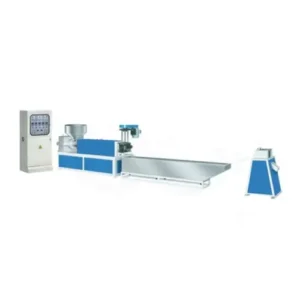
For instance, a water cooling plastic recycling machine is ideal for processing specific types of plastics while maintaining optimal temperatures to prevent degradation. By evaluating these factors, businesses can ensure they invest in machinery that meets their operational requirements.
Benefits of Plastic Recycling Technology
Investing in advanced plastic recycling technology offers numerous advantages, including cost savings, environmental benefits, and improved production efficiency. These machines help reduce the carbon footprint associated with plastic waste.
For example, using a high-efficiency recycling extruder can significantly lower energy consumption compared to traditional methods. Additionally, embracing recycling technology contributes to a circular economy, where materials are reused and repurposed, fostering sustainability in manufacturing.
Maintenance Tips for Plastic Recycling Machines
Regular maintenance of plastic recycling machines is vital to ensure their longevity and optimal performance. Implementing a routine maintenance schedule helps prevent breakdowns and costly repairs.
Key maintenance practices include regular cleaning, lubrication of moving parts, and inspection of electrical components. By following these guidelines, operators can enhance the reliability of their machines and maintain consistent production levels.