Comprehensive Guide to Stretch Film Machines
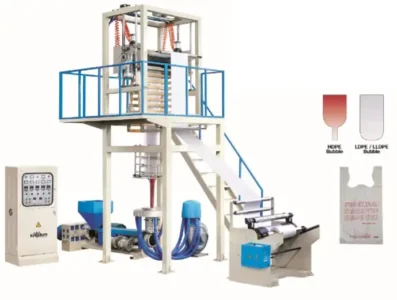
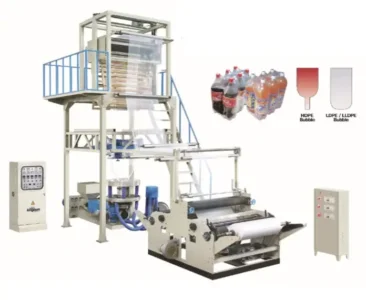
This guide provides an in-depth look at stretch film machines, detailing their functionality, types, and key features. It aims to assist potential buyers in understanding the various options available in the market and how these machines can meet their packaging needs.
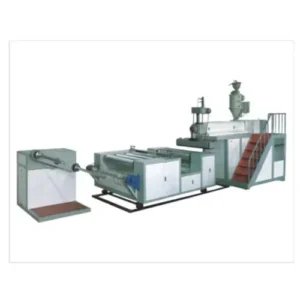
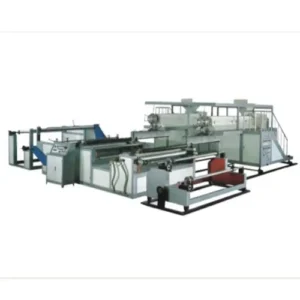
Stretch film machines are essential for businesses looking to secure products for storage and transportation. They come in various configurations, including manual, semi-automatic, and fully automatic models, each designed to cater to different production scales and operational requirements.
Key Features of Stretch Film Machines
Understanding the key features of stretch film machines is crucial for making an informed purchasing decision. Features such as film thickness adjustment, speed settings, and user-friendly controls can significantly impact efficiency and ease of use.
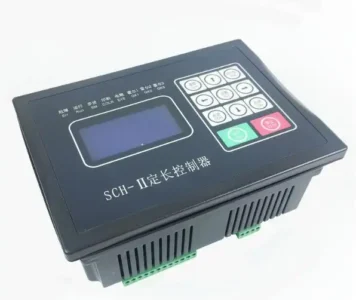
For instance, advanced models offer programmable settings that allow operators to customize the wrapping process according to specific product dimensions, ensuring optimal load stability and minimizing film waste. Additionally, some machines come equipped with safety features that enhance operational safety.
Applications of Stretch Film Machines in Various Industries
Stretch film machines are utilized across a range of industries, including logistics, food and beverage, and manufacturing. Their primary application is to secure products on pallets for shipping, but they also play a role in retail packaging and warehouse storage solutions.
In the food industry, for example, stretch film machines help preserve freshness by providing a barrier against moisture and contaminants. In manufacturing, they are used to package products for transport, ensuring they arrive at their destination intact and undamaged.
Choosing the Right Stretch Film Machine for Your Business
Selecting the right stretch film machine requires careful consideration of several factors, including production volume, product type, and budget. Businesses must assess their specific packaging needs to determine which machine configuration will provide the best return on investment.
For high-volume operations, fully automatic machines may be ideal, while smaller businesses may benefit from semi-automatic or manual options that offer flexibility without the need for significant capital investment. Consulting with manufacturers can also provide insights into the best solutions tailored to unique business requirements.